
4567 Roulette Explained: How the 4567 Betting System Really Works
Heard the buzz about the 4567 betting system, but not quite sure what it actually is or how it works? You’re not alone. This roulette approach is getting more attention online, and cutting through the noise can be tricky.
Whether you’re new to roulette or curious about different staking ideas, understanding how 4567 operates helps you see what it does well and where its limits are.
This guide explains the principle behind 4567, how the bets are arranged, what the numbers mean for payouts, and the common pitfalls to avoid.
What Is The 4567 Betting System?
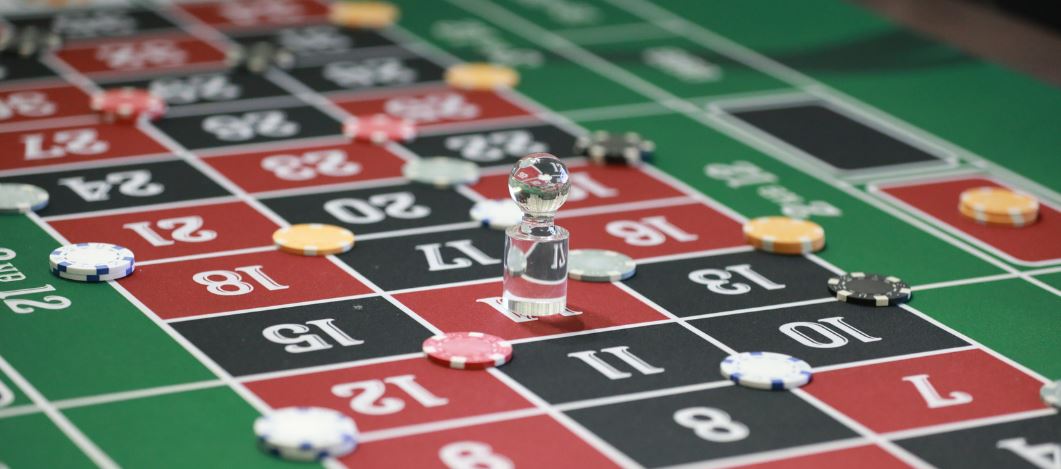
The 4567 betting system is a flat-stake roulette approach that spreads chips across several positions to encourage more frequent, smaller returns. It gets its name from the way the total stake is divided across four bets: 4 chips on one group, 5 on another, 6 on the next, and 7 on the last. The figures are a template for dividing your chosen unit size, rather than a requirement to increase stakes after a loss.
Those groups are usually broad outside bets such as dozens, columns, or even-money options. A common setup places 4, 5 and 6 chips on the three dozens, with 7 chips on a colour, although you could choose columns or other even-money bets instead. Remember that zero is not covered by dozens, columns, or colours, so a spin of 0 can result in all four positions losing; some tables apply rules like La Partage to even-money bets, but availability varies by venue and rules.
Because you cover a wide area, wins tend to land more often than if you only backed one small segment. The trade-off is that one winning area is offset by losses on the others, so the overall outcome on each spin is typically a modest profit or a modest loss. Variance still applies: sequences of non-covered results can occur and may lead to a run of losses. Ensure your total outlay per spin fits your budget and complies with table limits.
This approach does not change the game’s probabilities or the house edge, and past spins do not influence future outcomes. It is not a strategy for gaining an advantage over the casino, but rather a structured way to pace your play. Set affordable limits, avoid chasing losses, and stop if the fun stops.
So how do you actually put the chips out in practice? Choose a unit size you can comfortably afford, then place 4, 5, 6 and 7 chips on your selected groups before “no more bets” is called. Keep stakes flat from spin to spin, review how it feels for your bankroll, and adjust or take a break responsibly if needed.
How Do You Place Bets Using The 4-5-6-7 Sequence?
In its most common form, the sequence uses 22 chips per spin. The layout looks like this: 4 chips on the first dozen, 5 chips on the second dozen, 6 chips on the third dozen, and 7 chips on either red or black. Place those chips on the marked “1st 12”, “2nd 12”, and “3rd 12” areas, then choose one colour and stake that with 7 chips.
Dozen bets pay 2:1 and the colour bet pays 1:1, so your potential returns depend on which dozen lands and whether your chosen colour hits. You can keep the same colour each spin for consistency, but the choice is entirely up to you and does not influence the odds.
Only one dozen can win on any spin, so you will always have exactly one winning dozen and two losing dozens. The colour bet may win or lose independently. If the ball lands on zero, all three dozen bets lose, and the colour bet also loses because zero is green. On American (double-zero) wheels this can occur slightly more often than on European (single-zero) wheels.
This mixed coverage is why outcomes often sit close to your total stake rather than swinging wildly, though streaks and variance can still occur. You may see small net wins or losses on many spins, punctuated by larger deviations when the colour opposes the winning dozen or zero appears.
Choose a chip value that feels sensible for your budget before you begin, because that single decision sets your cost per spin and the size of your ups and downs. Remember that each spin costs 22 chips at your chosen denomination, so plan your session length and limits accordingly.
All outcomes are random and no staking sequence can remove the house edge or guarantee a profit. Set a budget, take breaks, and stop if it is not fun. Only gamble if you are 18+ and it is legal where you are. If you need support, consider setting deposit and time limits, or pausing play.
How Do Wins And Losses Affect The Sequence?
With 4567, the stakes stay flat. You keep placing 4, 5, 6 and 7 chips on the same groups regardless of what happened on the last spin. There is no progression, no doubling, and no cutting back after a win or a loss.
Each result is treated independently, so a previous outcome does not alter the next stake or selection. The sequence simply repeats on every spin, making bankroll movement steadier than systems that escalate after setbacks.
This simplicity helps avoid chasing losses or reacting to short‑term streaks. The aim is consistency, not escalation, and to reduce the swing that comes from changing bet sizes.
However, the underlying odds and house edge do not change. No staking plan can overcome randomness, and wins are never guaranteed. Past results do not influence future outcomes.
Set clear limits, only gamble what you can afford to lose, and consider taking breaks. If the fun stops, stop. Flat staking can moderate volatility, but losses can still occur over any session.
How Much Bankroll Do You Need For 4567?
Plan around the fixed cost of 22 chips per spin. For example, £1 chips mean £22 per spin, 50p chips mean £11 per spin, and £2 chips mean £44 per spin. Check the table minimums and chip denominations at your venue first, as these affect the total you will stake each round.
Decide how long you want to play and pick a chip size that makes that realistic. As a rough guide, budgeting for a set number of spins (for example, 50–100) can help you estimate a suitable bankroll. Smaller chip values stretch a session, keep swings more measured, and can reduce the risk of depleting funds quickly.
Treat all staking as entertainment, not a way to make money. Outcomes are chance-based and there are no guarantees, so avoid chasing losses or increasing stakes to recoup results. Set a clear spending limit and a time limit before you start, and stop when either is reached.
Only wager amounts you can comfortably afford to lose. Consider adding a personal stop‑loss and a modest win cap to keep play controlled, and take regular breaks. Never gamble with borrowed funds, and make use of safer gambling tools such as deposit limits, time reminders, or self‑exclusion if you feel your play is becoming problematic.
How To Calculate Payouts And Breakeven Points
Because 4567 covers all three dozens and one colour, outcomes tend to cluster around a few typical results. A dozen pays 2 to 1 and the colour pays even money. Figures below assume European roulette (single zero) and standard payouts with no special rules in effect.
As a reminder, your total return on a winning bet includes the original stake. No staking approach can change the underlying house edge or guarantee profit. Past outcomes do not influence future spins.
- If the winning number sits in the dozen you backed most heavily and the colour also wins, you usually see a modest profit on that spin.
- If the dozen wins but the colour does not, you typically take a modest loss.
- If zero appears, all four bets lose under standard rules. Some tables apply rules such as La Partage to even-money bets only, which would reduce, but not remove, the loss on the colour.
Let’s put numbers to that with clear, net results.
Example: Small-Stakes Session Using 4567
Say you use £0.50 chips and place the following each spin:
4 chips on the first dozen = £2.00
5 chips on the second dozen = £2.50
6 chips on the third dozen = £3.00
7 chips on red = £3.50
Total stake per spin: £11.00.
Net results by outcome:
- First dozen and red both win: total returns £6.00 (dozen) + £7.00 (red) = £13.00; net profit +£2.00.
- Second dozen and red both win: £7.50 + £7.00 = £14.50; net profit +£3.50.
- Third dozen and red both win: £9.00 + £7.00 = £16.00; net profit +£5.00.
- If only the dozen wins (colour loses), nets are −£5.00 (first dozen), −£3.50 (second dozen) and −£2.00 (third dozen).
- Zero results in a £11.00 loss under standard rules. With La Partage on even-money bets, half of the colour stake is returned, reducing the loss.
Over time, you can see why the colour aligning with the winning dozen is what tends to tip a spin into profit. Equally, you should expect regular losing spins when the colour misses, and some full-loss spins when zero lands.
Always size stakes so that a run of adverse outcomes does not exceed what you can afford to lose.
Example: Mid-Stakes Session Using 4567
Now try £2 chips with the same pattern:
4 chips on the first dozen = £8.00
5 chips on the second dozen = £10.00
6 chips on the third dozen = £12.00
7 chips on black = £14.00
Total per spin: £44.00.
Applying the same logic, the net results scale up:
- First dozen and black both win: returns £24.00 + £28.00 = £52.00; net profit +£8.00.
- Second dozen and black both win: £30.00 + £28.00 = £58.00; net profit +£14.00.
- Third dozen and black both win: £36.00 + £28.00 = £64.00; net profit +£20.00.
- If only the dozen wins, nets are −£20.00 (first dozen), −£14.00 (second dozen) and −£8.00 (third dozen).
- A zero removes the full £44.00 under standard rules. If La Partage applies to even-money bets, half of the £14.00 colour stake is returned, reducing the loss to £37.00.
Breakeven across a session depends entirely on how often the colour lands alongside the winning dozen. There is no guarantee this will happen at any particular frequency.
Set affordable limits, take breaks, and only gamble with money you can afford to lose. No staking plan can remove the house edge.
With the arithmetic clear, it helps to know the traps that make results worse than they need to be.
Common Mistakes To Avoid With 4567
The 4567 approach is designed to encourage steadier pacing and clearer decisions. Used well, it can help you keep sessions measured and avoid impulsive play.
However, a few habits can quickly undo that structure. Keep an eye out for these and make adjustments early:
- Overextending your budget. Set a firm spending limit before you start, stake only what you can afford to lose, and use deposit or loss limits where available. Do not chase losses; once your limit is reached, stop for the day.
- Expecting guaranteed profit. Spreading bets does not remove the house edge or ensure a return, and past outcomes do not predict future results. Treat play as entertainment, not a way to make money or solve financial problems.
- Misplacing chips. Count out 4, 5, 6, and 7 carefully so your returns match your plan, and double-check denominations to avoid accidental over- or under-staking. Know the table limits and payout rules before placing any bet.
- Playing on autopilot for too long. Set a timer, take regular pauses to review your position, and consider time-out or self-exclusion tools if you need a longer break. Step away if you feel tired, stressed, or frustrated.
Only gamble if you are 18+ and it is legal where you are. Keep control by setting time and money limits, and stop if it is no longer enjoyable. If you are concerned about your gambling or someone else’s, seek help and support.
Variants Of The 4567 System And When To Use Them
Plenty of players tweak the base idea while keeping the 4, 5, 6 and 7 structure. Instead of dozens, some use columns, which still each cover 12 numbers and pay 2:1, but group the layout differently. The practical effect is similar, yet neither option covers zero, so a spin of 0 will lose unless you have a separate wager on it.
Others keep the three dozens but switch the even‑money bet from colour to high/low, or to odd/even, depending on preference and table layout. On some single‑zero tables, rules such as la partage or en prison can apply to even‑money bets when zero lands, affecting volatility and returns. Always check the specific table rules before you start.
Adjusting chip size is another simple variant. Lower stakes can dampen swings and stretch a session, while higher stakes amplify both wins and losses. Be mindful of table minimums and maximums, and consider testing any change at the lower end first so that variance does not exceed your budget.
You can also swap which dozen receives 4, 5 or 6 chips if you prefer a different risk balance or want coverage concentrated in certain areas of the wheel. This alters how often you may see returns versus the size of those returns, but the overall mathematical expectation and the house edge remain unchanged.
Use variations to suit table layout and personal comfort, not because of recent outcomes. Each spin is independent, past results do not influence future ones, and no staking pattern can overcome the house edge.
Gamble responsibly: set a budget and time limits, avoid chasing losses, take breaks, and stop if it stops being fun. Treat this system as a way to structure bets, not as a way to make money.
Does 4567 Change The House Edge?
The simple answer is no. The 4567 betting system does not change the house edge in roulette. The presence of the zero on the wheel creates the casino’s built‑in advantage, and that applies to every wager you make, whether inside or outside and whether part of 4567 or not. A staking pattern cannot alter the underlying probabilities or the long-term return.
What 4567 can do is influence how your results feel, typically creating more frequent smaller swings and fewer large ones by spreading stakes across different bet types. That affects volatility, not expectation. If that rhythm appeals, consider using it only with sensible limits, a set budget, and clear expectations that losses are possible and wins are never guaranteed.
Always remember that roulette outcomes are random and independent; past results do not predict future spins. No system can overcome the house edge, and chasing losses or increasing stakes to “catch up” is risky and not advisable.
Before you play, decide your maximum spend, set time and deposit limits, and stick to them. Take breaks, never wager money you cannot afford to lose, and use safer gambling tools such as reality checks or time‑outs if you need them. Understanding what the numbers mean helps you make informed decisions and keeps play enjoyable and within your control.
**The information provided in this blog is intended for educational purposes and should not be construed as betting advice or a guarantee of success. Always gamble responsibly.