
Single Zero Roulette vs Double Zero Roulette Explained for Players
Roulette is one of the most recognisable casino games, but there are two main versions to be aware of: single zero and double zero. The difference looks small on the wheel, yet it affects how the table is laid out and how each bet performs.
If you’ve ever wondered whether it matters which version you play, you’re in the right place. A few clear facts make it easier to choose a table and manage your budget sensibly.
Ready to see which wheel best suits your style and how the numbers really work? Let’s break it down.
What Is the Difference Between Single Zero And Double Zero Roulette?
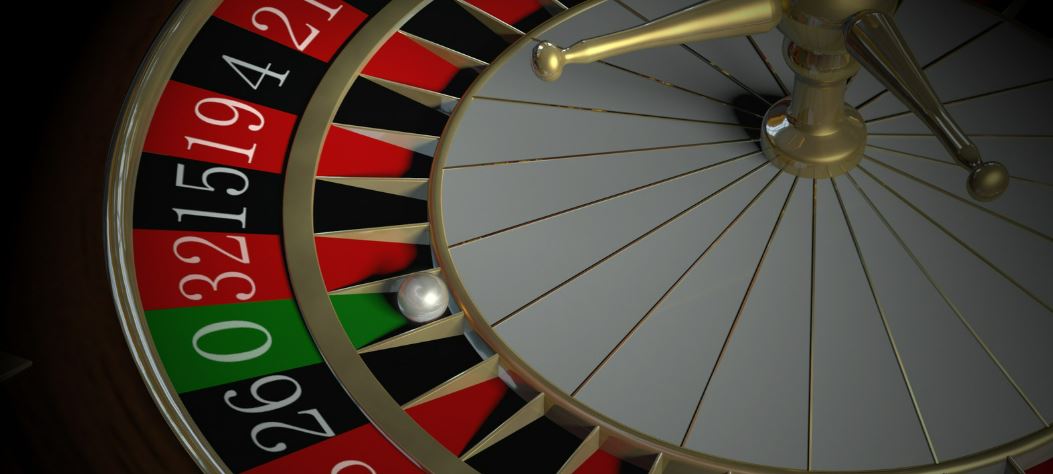
The main difference between single zero and double zero roulette is the number of zero pockets on the wheel.
Single zero roulette, often called European Roulette, has one green zero pocket. Double zero roulette, also known as American Roulette, has two green pockets: a single zero (0) and a double zero (00).
That extra pocket changes both the wheel and the betting layout, and it nudges the odds on every bet. Two zeros give the house a bigger edge, so your chance of winning any given bet is slightly lower than on a single zero wheel. Payouts for like-for-like bets usually remain the same, but the probability of hitting them is different.
On a single zero wheel, the typical house edge is about 2.70% (around 97.30% RTP). On a double zero wheel, it’s about 5.26% (around 94.74% RTP). This difference comes directly from the extra 00 pocket.
For example, an even-money bet (red/black, odd/even, high/low) has a win probability of roughly 48.65% on a single zero wheel, compared with about 47.37% on a double zero wheel. The headline payout is still 1:1, but the extra zero reduces the likelihood of a win.
The layout also differs: American Roulette includes the 00 on the betting grid and may offer a specific five-number “top line” bet (0, 00, 1, 2, 3) which carries a higher house edge than other wagers. This bet does not exist on a standard European layout.
Roulette outcomes are random, and no system can remove the house edge. Always check the table rules and published RTP before you play, and set limits so you only gamble what you can afford to lose.
How Does Wheel Layout Affect Player Odds?
The layout dictates how many outcomes the ball can land in, which directly shapes the probability of each bet. Each spin is an independent event, so the layout fixes the chances on every spin regardless of what happened before.
In single zero roulette there are 37 pockets in total, numbers 1 to 36 plus a single zero. A straight up bet on any one number therefore has a 1 in 37 chance, while even-money bets such as red or black cover 18 of the 37 pockets.
Because the green zero is neither red nor black, even-money bets are not true 50/50 propositions. Payouts stay the same (for example, 35:1 on a straight up), so the difference between the payout and the true odds creates the house edge. On a standard single zero wheel this is typically about 2.70%.
Double zero roulette has 38 pockets, numbers 1 to 36 plus zero and double zero. The same straight up bet becomes 1 in 38, and even-money bets still cover 18 pockets but now out of 38.
With the same payouts but an extra non-winning pocket, the expected return to the player is lower on a double zero wheel. The house edge on American-style double zero games is commonly around 5.26%.
This relationship holds across other bets too. Splits, streets, corners, dozens and columns all face slightly longer true odds when an extra zero is added, while their listed payouts generally do not change.
Some single zero tables apply rules such as La Partage or En Prison on even-money bets, which can further reduce the house edge (often to around 1.35%). Always check the table rules, as they affect the likelihood of partial refunds and the overall expected return.
Put simply, adding a double zero creates one more non-winning outcome for most bets. Fewer zeros mean slightly better odds for the player, but the house advantage remains. Outcomes are random, no strategy can alter the wheel’s probabilities, and you should only bet what you can afford to lose.
Which Game Has a Lower House Edge?
When it comes to house edge, single zero roulette is generally more favourable to players. The house edge is a long‑term statistical measure of the casino’s advantage and is not a prediction of what will happen in any short session.
On a standard single zero wheel, the house edge is 2.7 percent. Over time, that equates to about £2.70 retained by the casino for every £100 wagered, with a corresponding theoretical return to player (RTP) of 97.3 percent.
These figures are averages calculated over a very large number of spins. In the short term results are random, and your actual outcomes may be higher or lower due to variance.
On a double zero wheel, the house edge rises to 5.26 percent, which is roughly £5.26 per £100 in the long run. This higher edge means a lower theoretical RTP compared with single zero.
If you want a lower theoretical house edge, single zero is typically the stronger choice. Some single zero tables may reduce the edge further on certain even‑money bets through rules such as La Partage or En Prison, though availability and conditions vary by venue.
Remember that house edge does not guarantee results and you can still lose quickly. Set limits, only stake what you can afford to lose, and stop if it stops being fun. First, it helps to see how payouts line up across common bet types.
Payouts And Bet Types Compared
Inside Bets Odds And Payouts
Inside bets are wagers on specific numbers or tight groups of numbers placed within the numbered grid. Typical examples include straight up (one number), split (two adjacent numbers), and street (three numbers in a row). You may also see corner/square bets (four numbers meeting at a corner) and six line/double street bets (two adjacent rows of three numbers).
Payouts are the same on both wheel types: 35 to 1 for a straight up, 17 to 1 for a split, and 11 to 1 for a street. Corners pay 8 to 1 and six lines pay 5 to 1. These figures are “to 1”, meaning the stated return excludes your original stake.
What changes is the likelihood of hitting. A straight up bet is 1 in 37 on a single zero wheel and 1 in 38 on a double zero wheel. That small shift increases the house edge on the double zero version (around 5.26%) compared with single zero (around 2.70%), even though the prize for a win is identical.
Outcomes are random and no staking system can alter the underlying odds. Previous spins do not influence future results.
Outside Bets Odds And Payouts
Outside bets cover larger sets of numbers, such as red or black, odd or even, or the high (19–36) and low (1–18) halves of the board. Dozens (1–12, 13–24, 25–36) and columns each cover 12 numbers. Zero (and double zero) are not red or black and are neither odd nor even.
These bets pay less but land more often than most inside bets. Even-money bets pay 1 to 1, while dozens and columns pay 2 to 1. On a single zero wheel, an even-money bet covers 18 of 37 pockets; on a double zero wheel, it covers 18 of 38. The extra double zero trims the chance of a winning spin slightly, which is why players who prefer outside bets often look for single zero tables.
Some tables include rules that soften the impact of zero on even-money wagers. For example, La Partage and En Prison (where available on single zero tables) can return or hold half/all of an even-money stake when the ball lands on zero. This can reduce the house edge on those bets to about 1.35%. Availability varies, so check the table rules before you play.
Gambling involves risk and is a form of entertainment, not a way to make money. Set limits, never stake more than you can afford to lose, and do not chase losses. You must be 18+ to gamble in the UK. If you feel your gambling is becoming a problem, seek support.
How Do Table Rules Like La Partage Or En Prison Affect Returns?
On some single-zero roulette tables, even-money bets (such as red/black, odd/even, or high/low) may be subject to La Partage or En Prison. These rules do not guarantee profit, but they can reduce the expected loss on those wagers by lowering the house edge.
With La Partage, if the ball lands on zero, half of your even-money stake is returned immediately. This reduces the house edge on those bets from 2.70 per cent to 1.35 per cent. For example, a £20 bet on black would see £10 returned when zero appears, instead of losing the full £20.
En Prison also applies when zero hits, but handles the stake differently. Your even-money stake is held “in prison” for the next spin. If that following spin wins for your side, your original stake is returned with no additional profit; if it loses, the stake is forfeited. In standard formats, this produces a similar reduction in house edge to La Partage, although exact procedures can vary by table, so always check the specific rules.
These features are typically available only on single-zero (European or French) games and are usually limited to even-money bets. They do not change the odds on other bet types, and the house still retains an edge overall.
Outcomes are random and independent on every spin. Consider setting limits and only staking what you can afford to lose. While La Partage and En Prison can smooth volatility and may help a session budget last longer, they cannot remove risk or guarantee returns.
How Should Players Choose Between Single Zero And Double Zero?
Choosing between single zero and double zero roulette comes down to a balance of edge, feel, and what is actually on offer where you play. Outcomes are random, and no strategy can remove the house advantage, so it is sensible to focus on the rules and limits that suit you.
If your priority is stronger odds, single zero (European) is the sensible pick. Its house edge is typically around 2.70%, and tables with La Partage or En Prison reduce the effective edge on even‑money bets to about 1.35%. This does not guarantee wins, but it does mean the expected loss per £ staked is lower than on double zero.
Double zero (American) roulette still has its fans, especially where it is the version available or if you prefer its traditional layout. Be aware that the house edge is usually around 5.26%, so the same stake carries a higher expected cost over time. If the game runs at a brisk pace, consider that playing more spins per hour can increase how much you spend.
Availability may also guide the choice. In many UK venues and sites, single zero is common, while double zero may appear in specific lobbies or themed rooms. Check the table rules, minimums and maximums, and any special features before you sit down.
Whichever you choose, decide what you can afford to spend before you start and stick to it. Consider setting deposit, loss, and time limits, take breaks, and do not chase losses. Only play if you are 18+ and keep it fun; if it stops being enjoyable, step away.
Common Myths About Single Zero Versus Double Zero
There are plenty of myths about single zero and double zero roulette, so it helps to separate fact from fiction. Clear information makes it easier to make informed choices and to play responsibly.
One common claim is that double zero roulette pays bigger prizes. In reality, the published payout rates for equivalent bets are identical on both wheels; it is the probability of winning that differs because there is an extra losing pocket.
To put that into context, a single zero wheel typically carries a lower house edge than a double zero wheel. Over the long term this difference matters, even though any single spin is always unpredictable and outcomes are never guaranteed.
Another myth is that the zeros do not matter. They are central to the maths of the game. Adding a double zero increases the number of losing outcomes for most bets, which is why the house edge is higher.
This effect is especially noticeable on even‑money bets such as red/black or odd/even. On some single zero tables, rules such as la partage or en prison may apply, which can further influence the house edge on those bets where offered. Always check the table rules before you play.
A third myth is that betting systems can override the increased edge in double zero games. No staking plan changes the underlying probabilities, and past results do not influence future spins. Each spin is independent, whether on a physical wheel or an online game using a certified random number generator.
Systems that suggest you can “recover losses” or “lock in profits” ignore variance and can lead to chasing. Sensible bankroll management, setting limits, and being willing to stop are safer, more sustainable approaches.
If you focus on wheel type, house edge, and any table rules in play, you will have a clear, practical picture of what to expect. Consider the table limits, speed of play, and whether specific rules are in force, as these can all affect your experience and spend.
Roulette should be played for entertainment only. Never gamble with money you cannot afford to lose, take regular breaks, and seek support if play stops being fun. Always play within the rules, and remember that no strategy can eliminate the house edge.
**The information provided in this blog is intended for educational purposes and should not be construed as betting advice or a guarantee of success. Always gamble responsibly.