
When Should You Bet on Zero in Roulette? Odds, Payouts & Myths
Zero on the roulette wheel is one of the game’s biggest mysteries. While most players focus on the reds and blacks or the high and low numbers, the single green zero can feel like a secret waiting to be unlocked.
Have you ever noticed how your heart skips a beat when the ball moves close to zero? You’re not alone. Betting on zero raises plenty of questions, from whether it’s worth it to when it might make sense.
In this guide, you’ll find the facts on odds and payouts, clear explanations of how zero affects different bets, and a calm look at the most common myths. By the end, zero will feel a lot less mysterious.
How Often Does Zero Come Up In Roulette?
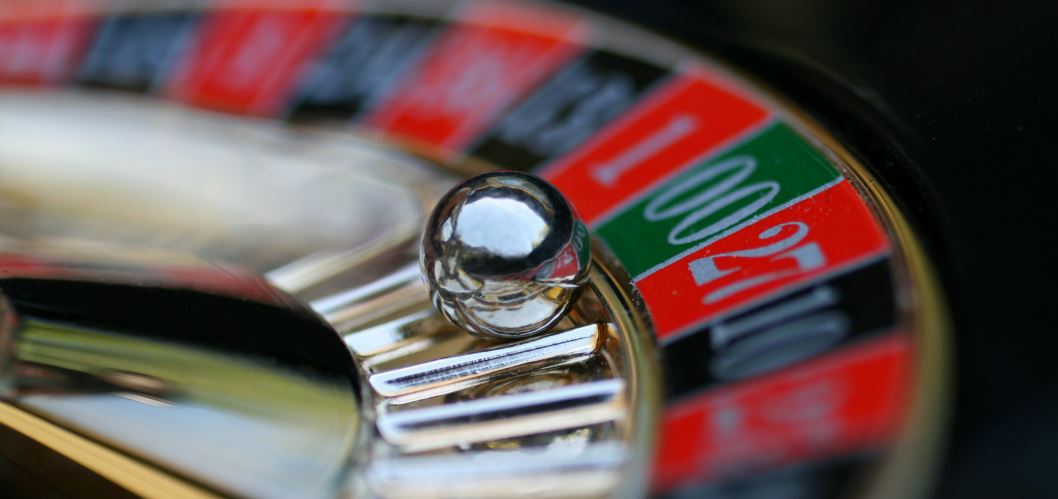
Zero might seem rare, but like every number on the wheel, it has a set chance of landing. It is coloured green and sits outside the red/black and odd/even groupings, which is why it affects even-money bets.
On a European roulette wheel, there are 37 pockets: numbers 1 to 36, plus a single green zero. This gives zero a 1 in 37 chance of appearing on any spin, or about 2.7%. Over a long sequence of spins, you might see roughly that frequency, but in the short term results will vary and streaks can happen.
The presence of the single zero is what creates the house edge on European roulette, which is approximately 2.70%. For example, across 1,000 spins you might expect around 27 zeros on average, although actual outcomes can be higher or lower due to natural variance.
In American roulette, there are 38 pockets because there is both zero and double zero. Each has a 1 in 38 chance, or just over 2.6%, and together they appear more often than a single zero would in European roulette.
Because of the extra double zero, the house edge on American roulette is higher (typically around 5.26%). This means players face a greater expected loss over time compared to European roulette, even though the chance of any specific number on a given spin remains the same for that wheel.
Previous results do not influence the next spin. Every spin is independent, so zero does not become “due” after a gap, and it does not become “cold” or “hot” based on a short run. Patterns seen in results are normal fluctuations and do not predict future outcomes.
In regulated casinos and online, outcomes are designed to be random. Physical wheels are engineered for fairness, and online games use certified random number generators so that each spin has the stated probabilities.
With that in mind, let’s look more closely at how the two main versions of the game change your overall odds. Where you have a choice, European roulette generally offers a lower house edge than American roulette. Always set limits and gamble responsibly. 18+ only.
What Are The Odds Of Zero In European And American Roulette?
The odds of zero landing depend on which version you are playing, and they are fixed by the layout of the wheel rather than by any strategy or staking system.
On a European wheel with a single zero, your chance of the ball landing on zero on any given spin is 1 in 37, or about 2.70%. Each spin is an independent event, so previous outcomes do not affect the next result.
On an American wheel, which has both zero and double zero, each green pocket has a 1 in 38 chance, a little over 2.63%. Looked at together, the chance of the ball landing on either zero or double zero on an American wheel is 2 in 38 (about 5.26%).
That difference may look small, but it affects the house edge over time. As a guide, European roulette typically carries a house edge of about 2.70% on most standard bets, while American roulette is about 5.26%. In some venues, rules such as La Partage on even‑money bets can reduce the effective edge on those bets to around 1.35%, but availability varies.
Many players therefore prefer European roulette where it is available, as it offers slightly better overall chances. However, outcomes are random and no system can guarantee a win or change the underlying probabilities.
Now that the odds are clear, the next question is how zero pays when it does land.
How Much Does A Bet On Zero Pay Out?
A straight-up bet on zero is one of the highest-paying single-number wagers on the table, but it also has one of the lowest chances of hitting.
If zero lands and you have bet directly on it, the standard payout is 35 to 1 (35:1). For every £1 staked, you receive £35 in winnings plus your £1 stake back. A £5 winning bet on zero returns £180 in total (£175 profit, plus your £5).
The same payout applies in both European and American roulette. However, the true probability differs: it is 1 in 37 on a single-zero (European) wheel and 1 in 38 on a double-zero (American) wheel. This affects the house edge (about 2.7% versus about 5.26%) but not the headline 35:1 return. Always check the table rules and paytable before playing.
Zero also interacts with the rest of the layout in important ways. It is neither red nor black, odd nor even, and not high or low, so even-money bets lose when zero hits unless specific table rules apply. Some variants offer La Partage or En Prison on even-money bets; these do not change the 35:1 straight-up zero payout but can influence overall volatility.
High returns come with low hit frequency, so some players pair an occasional zero bet with broader-coverage wagers to smooth results. This does not improve long-term expected returns; outcomes are random and no staking system can remove the house edge. Set limits, only bet what you can afford to lose, and stop if the fun stops.
How Zero Affects Inside And Outside Bets
Zero is unique on the roulette wheel. It is green, sits outside the red/black, odd/even and high/low groupings, and its impact depends on both your bet type and whether you are playing single‑zero (European/French) or double‑zero (American) roulette.
If you place an inside bet directly on zero and it lands, you receive a 35 to 1 payout, plus your stake returned. You can also include zero in other inside bets:
- Splits such as 0–1, 0–2 or 0–3 pay 17 to 1.
- Trio bets 0–1–2 or 0–2–3 (three numbers including zero) pay 11 to 1 on European tables.
- The 0–1–2–3 bet covers four numbers and pays 8 to 1 on European tables. On American tables, the 0–00–1–2–3 “top line” pays 6 to 1 and carries a higher house edge.
Remember that payout ratios are fixed returns and do not reflect the actual chance of winning. The presence of zero (and 00 on American wheels) is what creates the house edge, which remains in favour of the operator over time.
For outside bets such as red/black, odd/even, high/low and dozens, zero is not part of any group. If zero appears, these bets lose. Some tables use rules like La Partage or En Prison on even‑money bets, where a zero result either returns half your stake or holds it for the next spin. These rules do not apply everywhere, but when they do, they soften the blow of a zero for even‑money wagers.
La Partage and En Prison are typically found on French or European variants and usually apply only to even‑money bets; they are uncommon on American double‑zero tables. Always check the table rules and help pages before you play so you know exactly how zero is handled.
Outcomes are determined by chance and cannot be predicted. Set a budget, avoid chasing losses, and only gamble if it remains fun. If you are unsure about any rule, ask the dealer or consult the game information before placing your bets.
When Should You Consider Betting On Zero?
Betting on zero can add a distinct mix of risk and occasional reward to your game. It suits players who understand that returns may be uneven, with long periods of no wins balanced by the possibility of a larger payout when zero does land.
Because it is a low-probability outcome, betting on zero is best viewed as entertainment rather than a route to regular returns. Expect volatility, and be comfortable with the fact that most spins will not result in a win on zero.
Some players add a small stake on zero alongside their usual wagers, treating it as occasional coverage rather than the main focus. If you do this, keep the zero stake modest compared with your core bets, and avoid increasing it to “catch up”.
Others leave zero out entirely and stick with broader bets that win more frequently. There is no “right” moment to include zero, and no pattern, cycle, or streak that makes it more likely to appear on the next spin.
Remember that wheel type matters: on a European (single-zero) wheel the chance of zero is 1 in 37 (about 2.7%), while on an American (double-zero) wheel it is 1 in 38. The typical 35:1 payout does not remove the house edge, and each spin is independent.
If you decide to back zero, keep stakes proportionate to your bankroll. Set a clear budget for the session, decide your stop-loss and win limits in advance, and take regular breaks. Never chase losses or try to recover quickly by increasing bet size.
Play should always remain within your means and be for adults aged 18+. Use safer gambling tools such as deposit limits, time-outs, and reality checks where available, and consider taking a break if the fun stops or you feel pressure to continue.
Zero And The House Edge Explained
Zero is central to the casino’s built-in advantage, known as the house edge. It represents an outcome that usually does not pay on even-money wagers, creating a small but consistent tilt in the casino’s favour.
In European roulette, the single zero creates a house edge of about 2.7%. With 18 red and 18 black pockets out of 37 in total, even-money bets are close to, but not, a true 50/50. Zero sits outside those categories and is the reason the long-term return is lower than an even split.
In American roulette, adding double zero increases the house edge to roughly 5.3%. The extra pocket reduces the proportion of winning outcomes for even-money bets (18 out of 38), which is why the edge is noticeably higher than in the single-zero game.
Remember that the house edge is an average measured over a very large number of spins. Short-term results can vary widely, and each spin is independent. No previous outcome makes zero more or less likely to land next.
Where offered, La Partage and En Prison reduce the edge on even-money bets in European roulette to around 1.35% by returning half the stake or holding it after a zero. These rules do not change the odds of zero landing, but they do change how its impact is handled by altering settlement on qualifying bets.
Availability of these rules varies by table and provider, and they typically apply only to even-money wagers. Always check the specific table rules and payout terms before you play so you understand how zero is treated.
With the maths in place, a natural question follows: can any system tell you when zero is about to appear? The answer is no. Licensed games use fair, independent outcomes, and no betting system can predict or influence when zero will land.
No strategy can remove the house edge. Play for entertainment, set limits you can afford, and never chase losses.
Can Any System Predict When Zero Will Hit?
No betting system can reliably predict when zero will hit. Roulette outcomes are designed to be random, and each spin is independent of the last. In regulated environments, physical wheels are monitored and online games use certified random number generators, so previous results do not provide a shortcut to the next outcome.
People sometimes track results or look for patterns. It can be interesting to watch, but it does not alter the probability of future spins and can lead to the gambler’s fallacy. Treat any patterns as coincidence, and be wary of anyone who claims a guaranteed method for forecasting when zero, or any number, will arrive.
Since prediction is off the table, the way you structure your bets is the main lever you can pull if you want to involve zero more directly. On single‑zero (European) wheels you can back 0 straight up, include it in splits, or use call bets such as neighbours around zero on wheels that offer them. Outcomes remain random, and these choices only change how your stake is distributed.
Be mindful of the house edge created by zero. On a single‑zero wheel the house edge is typically 2.7%, and on double‑zero (American) wheels it is usually higher. No staking plan or progression can overcome this in the long run, so set a budget, stick to it, and consider smaller stakes to make your session last.
Gambling should be fun, not a way to make money. Never chase losses, take breaks, and only play if you are 18+. If you choose to play online, read the game rules and paytable, and check the published RTP so you understand the risks before you bet.
Neighbour Bets, Voisins And Zero-Focused Wagers
Zero is not only a single-number punt. There are wheel-based bets that centre around it and use the racetrack layout to place chips across adjacent numbers. These bets are placed according to the physical order of numbers on the wheel, not the grid on the felt, so they target a specific arc around zero.
Neighbour bets let you cover zero plus the numbers immediately to its left and right on the wheel. A common option is “zero and neighbours,” which covers five numbers in total. Each number in the set receives an equal portion of your stake, and individual hits are paid at straight-up odds.
At many tables you can declare the bet to the dealer or use the racetrack on an electronic layout. Check the table’s minimums and chip requirements, as the total cost scales with how many neighbours you include.
Voisins du Zéro, meaning “neighbours of zero,” is a larger bet available on European tables. It covers 17 numbers from 22 through to 25 on the wheel, all clustered around zero. This wager is usually made with multiple chips placed in specified splits and corners to achieve the full pattern of coverage.
Because Voisins is a compound bet, the exact chip distribution and resulting returns vary by house rules. Ensure you understand how many chips are needed and how wins on different parts of the bet are settled before placing it.
These wagers do not change the odds of any specific number appearing. Outcomes are random, and the house edge remains the same for comparable bet types. What they offer is a different pattern of coverage and a way to manage volatility if you enjoy backing the zero section.
No staking method can guarantee a profit. Consider your budget, set limits, and only bet what you can afford to lose. If you are unsure, ask the dealer to clarify how the bet is placed and paid before you commit chips.
Practical Examples Of Payouts And Bankroll Impact
A quick example shows how zero can move your balance, and why the house edge matters over time. These figures are illustrative only, and actual results will vary because outcomes are random.
If you place a £2 straight-up bet on zero and it lands, the standard 35:1 payout means you win £70 plus your £2 stake back, for £72 in total. That is a strong return for a small stake, but on a European single‑zero wheel, zero appears on average about 1 time in 37 spins.
If you placed £2 on zero for 37 spins, you would wager £74 in total. On average you might expect one hit returning £72, which is a £2 loss overall. That shortfall, roughly 2.7% of the total staked, is the house edge in action and corresponds to an RTP of around 97.3%.
These are long‑term averages, not guarantees. In the short term, you could see no hits for many spins or multiple hits close together. Each spin is independent, and past results do not influence future outcomes.
This is why bankroll management matters. Zero can deliver a standout moment, but long gaps between wins are normal. Keeping stakes sensible and expectations measured helps the game stay enjoyable from one session to the next.
Consider setting deposit, loss, and time limits, taking breaks, and never chasing losses. Only gamble with money you can afford to lose, and stop if it stops being fun. Game availability and rules can vary, and different wheel types may have different odds and house edges.
**The information provided in this blog is intended for educational purposes and should not be construed as betting advice or a guarantee of success. Always gamble responsibly.