
Is 0 Even or Odd in Roulette? Understanding Zero in Roulette
If you have ever played roulette or watched the wheel spin, you will have noticed the little green zero sitting apart from the familiar red and black numbers. It looks harmless, but it shapes the game far more than its colour suggests.
Plenty of people wonder where zero fits when it comes to even and odd bets. Does it count as even, is it odd, or is it treated as something separate on the table?
Before you put any chips down, it helps to understand exactly what zero does in roulette and why it matters on every spin.
Is 0 Even In Mathematics And In Roulette?
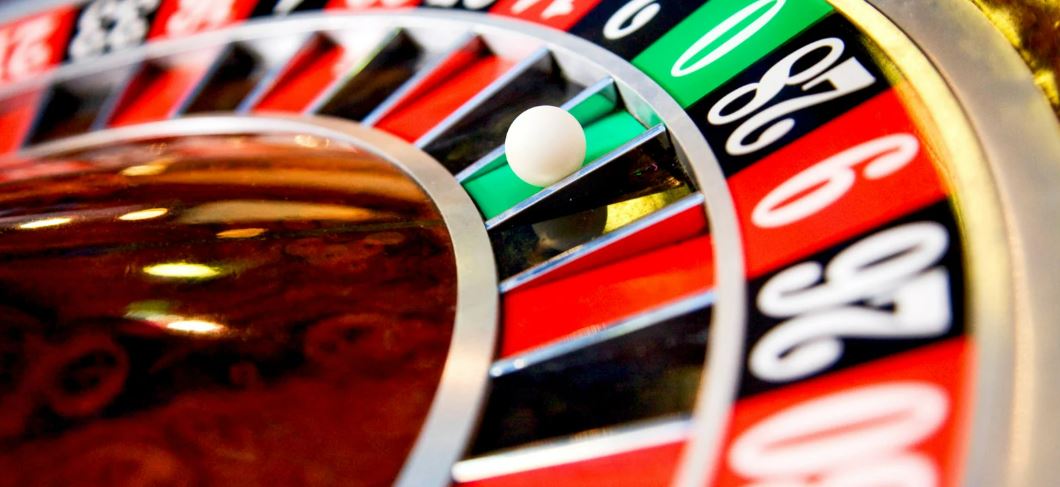
In basic maths, zero is even because it can be divided by two with no remainder. It also follows the simple rule that whole numbers ending in 0, 2, 4, 6 or 8 are even. Zero is an integer like any other, and its parity is defined by these standard rules.
Roulette is different. On the layout, the betting areas for even and odd do not include zero, and the green zero is also excluded from red/black and high/low. If you place a chip on even and the ball lands on zero, the wager loses. The same applies if you back odd.
Some tables apply specific rules to even-money bets when zero hits, such as la partage or en prison, which may return half your stake or hold it for the next spin. These are not universal. Always check the table rules before playing, as payouts and conditions vary by game variant and venue.
Zero stands alone, and that is a deliberate design choice that affects how the game pays. On European (single-zero) wheels this contributes to a house edge of around 2.70% on most bets; on American (double-zero) wheels it is higher, around 5.26%. Because zero is not counted as even or odd in the betting, it shifts the expected return on even-money wagers.
So why does roulette treat zero differently from the way maths does? In short, to give the house an advantage while keeping the game simple. Outcomes are random and cannot be predicted, and you should only gamble if it is affordable and enjoyable for you.
Why Is 0 Excluded From Even/Odd Bets?
Zero is excluded to create the house edge. Without zero, an even-money bet would cover 18 of 36 outcomes and the game would be close to break-even once the 1-to-1 payout is applied. With zero added as a separate green pocket, the arithmetic shifts just enough in the casino’s favour. Zero is neither even nor odd, so when the ball lands on 0, even/odd wagers lose under standard rules.
On a European wheel, there are 37 pockets in total, numbered 0 to 36. An even bet covers 18 of them, so it wins 18 times out of 37 on average but still pays 1 to 1. That gap between 18 wins and 19 losses produces the house edge of 2.7%.
Put another way, a £10 even bet has an expected loss of about 27p over a large number of spins. Actual results vary in the short term, and outcomes are random; the house edge reflects the long-term average rather than a prediction of any single spin.
The principle is the same for odd, red and black, and for high/low. Some French-style tables apply rules such as la partage or en prison on even-money bets, which may return or hold half your stake when 0 lands, reducing the effective edge on those bets to about 1.35% where offered.
Wheel type also matters. On an American wheel with both 0 and 00 (38 pockets), even-money bets still pay 1 to 1 but now win 18 times out of 38 on average, increasing the house edge to about 5.26%.
Including zero in those bets or paying them differently would remove or shift that edge and would misalign returns across the layout. By keeping zero separate, the rules hold together and the payouts across the table make sense as a whole, consistent with the published return to player (RTP) for each game.
This design shows up differently depending on the type of wheel and local rules in play. Always check the table rules and remember that past results do not influence future spins. Set limits, play within your means, and never bet more than you can afford to lose.
How Do European And American Roulette Treat Zero?
The European version uses a single green zero, giving a 37-pocket wheel. That lower pocket count reduces the house edge on most standard bets compared with the American layout, typically to around 2.70% on outcomes like straight-up and even-money wagers.
Because the payouts remain the same but the probabilities change, your expected return is affected by the presence or absence of that extra pocket. On a straight-up bet, for example, the chance is 1 in 37, while the payout stays 35 to 1.
American roulette adds a double zero, so there are two green pockets, 0 and 00, for a total of 38. That extra pocket raises the house edge to about 5.26% on most standard bets and reduces the likelihood of winning outcomes without increasing the listed payouts.
Even-money bets still pay 1 to 1, but they now win 18 times out of 38 on average rather than 18 out of 37. A straight-up bet has a 1 in 38 chance while still paying 35 to 1, which increases the house advantage compared with the European wheel.
In both versions, zero, and double zero on the American wheel, are not part of even, odd, red or black. They are also outside high and low, so they sit apart and affect the odds for every bet on the table.
These pockets can be covered by specific wagers, such as the American “basket” (0-00-1-2-3), which carries a higher house edge than many other bets. Availability of such bets can vary by table and provider, so always check the rules before you play.
That difference matters most when an even-money wager collides with a zero, which brings us to what actually happens when it lands. On some European or French tables, rules like la partage or en prison may apply, potentially halving a losing even-money stake or holding it for the next spin; where these features are not offered, the full stake is usually lost.
Outcomes are random and the house retains an edge over time. Consider the rules in place for your chosen table and only stake amounts you are comfortable with losing.
What Happens To Your Even/Odd Bets When Zero Spins?
If you have backed even or odd and the ball settles on zero, the wager loses in standard play. This applies on both European and American wheels. Although zero is even in maths, roulette treats it as a separate outcome, so it does not trigger a win on either side of the even or odd bet. The green zero pocket sits outside the even/odd classification, which is why the stake is collected.
Some European tables add a safety net with special rules that apply only to even‑money wagers. These rules are optional, vary by venue and game provider, and are not always available. Always check the table rules before you play so you know exactly how zero is handled.
La Partage: if zero lands, half of your even‑money stake is returned to you and the other half is lost. The bet then ends; it does not carry over to the next spin.
En Prison: if zero lands, your even‑money stake is held “in prison” for one more spin. If that next spin would have won your original bet, your stake is released back to you without profit; if it would have lost, the stake is forfeited. Some tables have variations for what happens if zero appears again, so house rules apply.
American (double‑zero) wheels typically do not offer these concessions. On most US‑style tables, zero and double zero both result in an immediate loss for even/odd bets, but always confirm the specific rule set on the game you are playing.
These rules only reduce the loss when zero appears; they do not change how often zero occurs or make even/odd bets a 50/50 proposition. Because of the zero(s), even‑money bets have a built‑in house edge. Set limits, play within your means, and do not chase losses.
Special Rules That Change Zero’s Impact
Some tables use optional rules that reduce losses on even-money bets when zero appears. Availability varies by venue, so it is always worth checking the plaque on the table or asking the dealer.
These rules generally apply only to even-money wagers (red/black, odd/even, high/low). They usually do not affect dozens and columns, or inside bets, and they are less common on double-zero (American) wheels.
Choosing a table with such rules can lower the expected cost of even-money bets over time, but it does not eliminate the house advantage or guarantee any return. Outcomes are random and independent; never chase losses and only gamble what you can afford to lose.
La Partage: How Partial Refunds Work?
With La Partage, if zero lands on an even-money bet such as even, odd, red or black, half your stake is returned and half is taken. On a single zero wheel, this effectively halves the house edge on those bets to about 1.35%. It does not turn a losing spin into a win, but it trims the cost of that outcome.
For example, a £10 bet on red that sees zero land would typically return £5, with £5 collected. Your payout on normal winning spins is unchanged; La Partage only affects the specific case where zero appears.
Exact handling of fractions and chip rounding can depend on house policy. If in doubt about how your stake will be treated, confirm the procedure with the dealer before placing a wager.
En Prison: When Bets Are Held Over?
En Prison also applies to even-money wagers. If zero hits, your stake is placed in a holding position for the next spin. If that next result wins for your original selection, your stake is returned. If it loses, it is collected. Some tables apply a further hold if zero appears again, but this is not universal, so table rules take priority.
Importantly, a successful outcome after an En Prison hold usually returns only your original stake; it does not pay as a fresh winning bet. Using the same £10 example, zero would lock the £10 for the next spin, and a win on that spin would typically return £10, while a loss would forfeit it.
On single-zero wheels, the most common versions of En Prison provide a similar house-edge reduction on even-money bets to La Partage. However, exact implementations can vary by venue, so always rely on the specific table signage.
Whichever rule is in use, the idea is the same, to reduce the penalty when zero arrives without changing the core maths of the game.
These features are intended to make the experience smoother, not to create a long-term advantage for players. Set a budget, take breaks, and stop if it is not fun. You must be over 18 to gamble in Great Britain; if you are unsure about any rule, ask a dealer before you play.
Zero And The House Edge
Zero is the small but crucial detail that gives roulette its house edge and keeps payouts consistent across the layout. It is neither red nor black, neither odd nor even, and does not count for high or low. As a result, most even-money bets pay 1 to 1, yet zero sits outside those bets, creating slightly more losing outcomes than winning ones over time.
On a European wheel with a single zero, the theoretical house edge is about 2.70%. On an American wheel with both zero and double zero, it rises to roughly 5.26%. These figures follow from the pocket counts: for even-money wagers you have 18 winning pockets out of 37 on European, and 18 out of 38 on American, but the payout remains 1 to 1.
That small difference adds up across many spins, which is why understanding zero is so useful. The house edge is built into the rules and payouts and cannot be removed by betting systems or patterns. Each spin is random and independent, and past results do not influence future outcomes.
Some variants, such as those offering la partage or en prison on even-money bets when the ball lands on zero, can reduce the effective house edge on those specific wagers. However, the reduction only applies where the rule is explicitly in use and does not eliminate the advantage altogether.
Roulette is a game of chance. Play should always be within your limits, and there is no strategy that guarantees profit. Zero may be even in mathematics, separate in roulette, and central to how the game works, but it never removes the inherent risk of loss.
**The information provided in this blog is intended for educational purposes and should not be construed as betting advice or a guarantee of success. Always gamble responsibly.