
What Is Horse Racing Distance Betting?
Horse racing distance betting allows you to try and predict the margin by which a horse will finish ahead or behind others, offering a different approach to traditional betting. Instead of simply wagering on the winner, you bet on the distance between horses at the finish line.
This guide will explain how distance betting works and how it can add variety to your horse racing experience, while ensuring that your betting remains responsible.
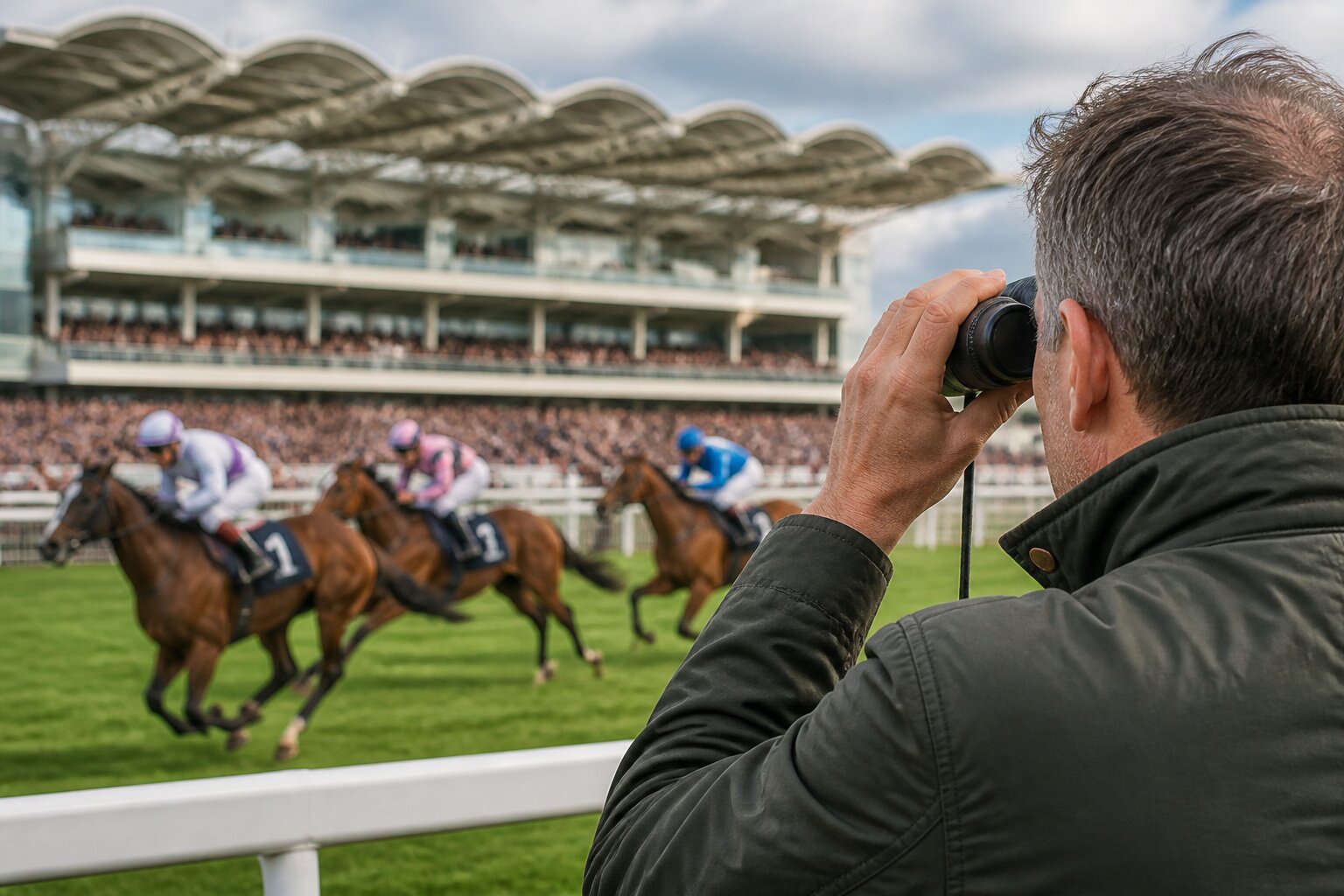
How Does Horse Racing Distance Betting Work?
In this type of wager, bookmakers set an expected winning margin, and you can bet on whether the actual result will be over or under that predicted margin. Distances are often measured in lengths, with one length being approximately the length of a horse. This means a bet could be placed on whether the winning horse will finish by several lengths or by just a nose.
Here are some common winning margins used in horse racing:
- Nose (ns)
- Short head (shd)
- Head (hd)
- Neck (nk)
- Half a length (1/2l)
- Three-quarters of a length (3/4l)
- One length (1l)
- Multiple lengths (e.g., 2l, 3l, etc.)
- Distance (a very wide margin)
Bookmakers assess the field and set odds based on their evaluation, which can vary depending on the race.
As with all gambling activities, it’s important to stay aware of your betting limits and make informed, responsible choices. Distance betting offers a unique way to engage with horse racing, however, ensuring that your betting remains fun and controlled is key to maintaining a positive experience.
What Are the Rules for Horse Racing Distance Betting?
Understanding the rules of horse racing distance betting helps you make informed wagers. Bookmakers may vary their exact terms, so always check the specific rules of the operator you use before placing a bet.
Distance betting asks you to predict the margin by which one horse finishes ahead of another, usually measured in lengths. A length normally refers to the average length of a horse’s body.
Different races and bookmakers may accept different margins, and very small winning margins such as a nose or a short head are common. Familiarising yourself with how margins are recorded and paid out for the event you are betting on will improve your understanding of the market.
Above all, ensure your betting practices follow responsible gambling guidelines and the terms set by your bookmaker.
Horse Racing Distance Betting Example
Imagine you are watching a race featuring a horse named Thunderbolt, and the bookmaker offers a distance bet where you predict whether Thunderbolt will win by more than two lengths or by less.
You place a bet on Thunderbolt winning by more than two lengths. As the race progresses, Thunderbolt takes an early lead and crosses the finish line four lengths ahead of the second-place horse.
In this case your bet is successful because Thunderbolt’s winning margin was four lengths, which exceeds the two-length prediction. Different margin options and odds may be offered, so check the bookmaker’s specific terms before placing a bet.
Approach distance betting with a balanced mindset. By understanding how these bets work and following responsible gambling practices, you help keep any betting activity within your control.
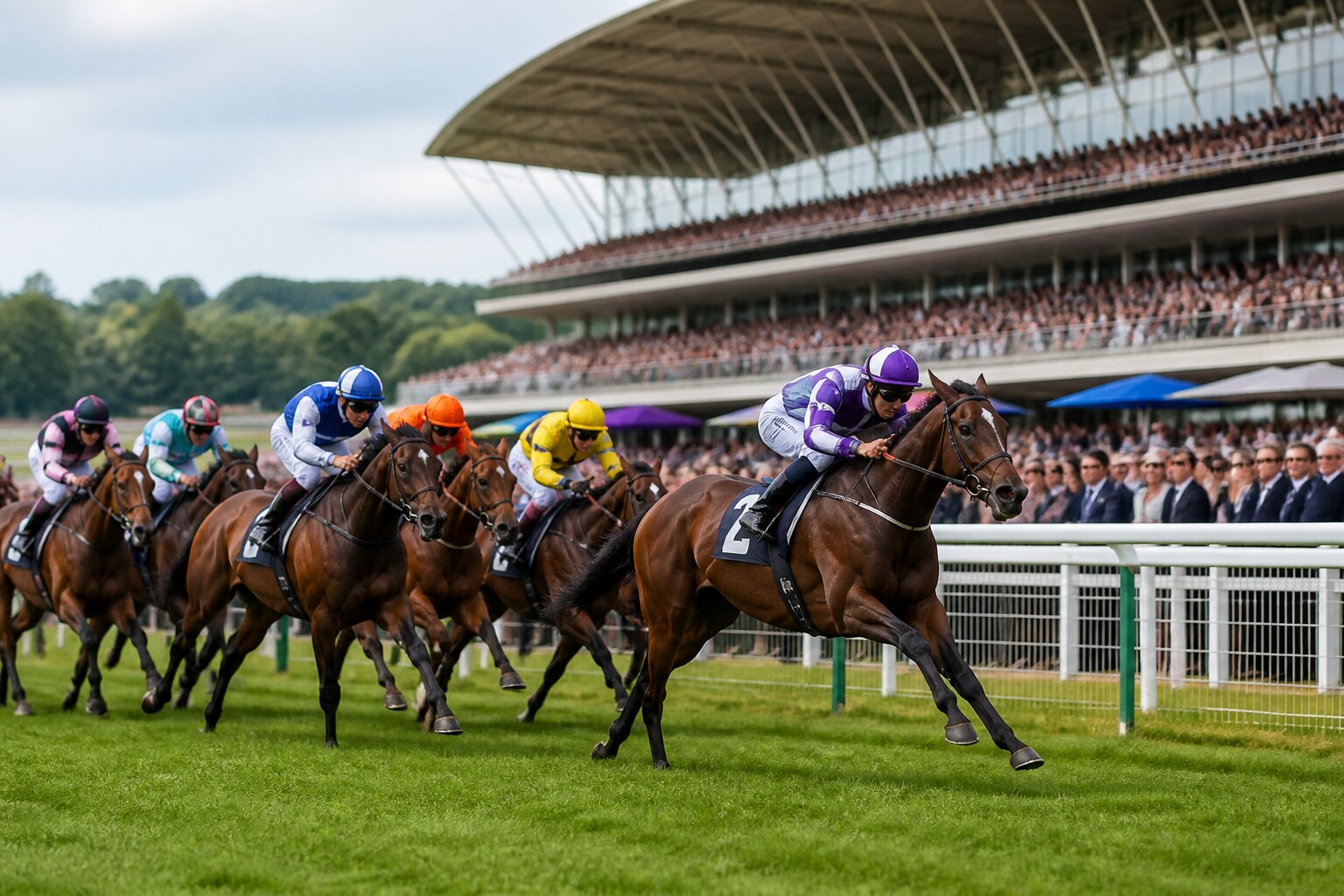
How to Bet on Horse Racing Distance
Begin by choosing a reputable bookmaker that offers distance betting and is licensed by the UK Gambling Commission (UKGC). A UKGC licence helps ensure a regulated and secure betting environment.
Next, browse the bookmaker’s race listings and look for distance betting options, typically found under individual race details or in specialised markets. These markets ask you to predict how far a horse will finish ahead of or behind its rivals.
Decide on the margin you want to back, for example a win by a specific number of lengths or a narrow victory. Consider the likely outcomes by assessing the race distance, the horses’ recent form, and any track or weather conditions that could affect finishing margins.
The Bottom Line
Utilise any resources or tools the bookmaker provides, such as horse statistics and past performance data, to help inform your decisions. Once you’ve made your selection, decide on a stake that you’re comfortable with. Place your bet before the race begins, and always remember to bet responsibly, keeping your enjoyment and limits in mind.
**The information provided in this blog is intended for educational purposes and should not be construed as betting advice or a guarantee of success. Always gamble responsibly.